
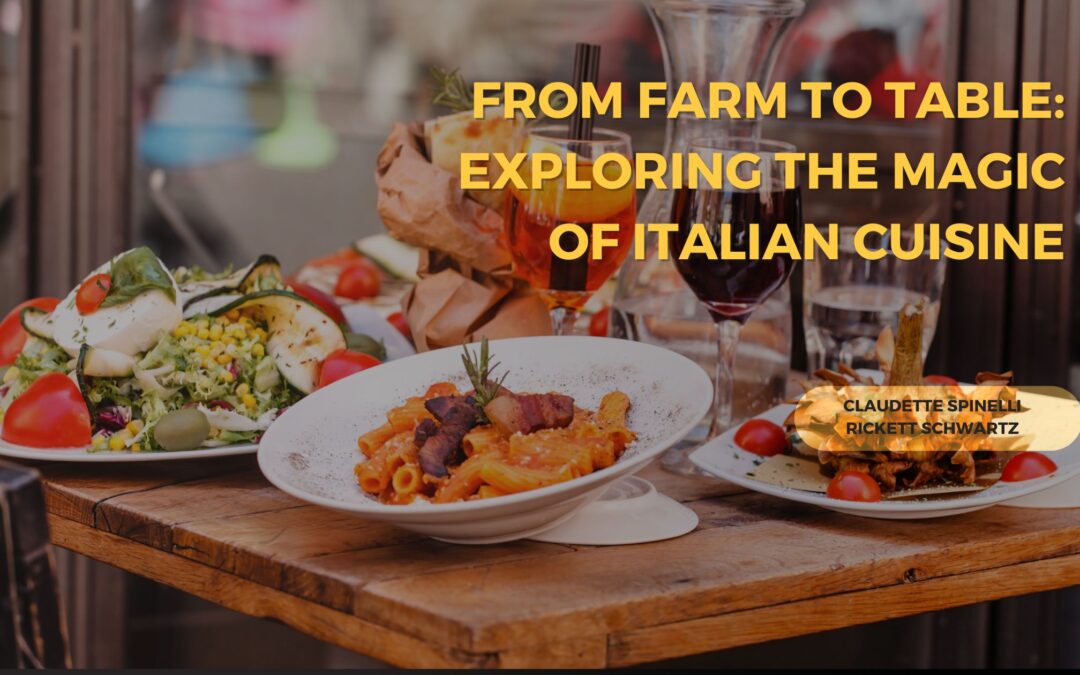
When you think of Italian food, images of pizza, pasta, and gelato likely come to mind. But Italian cuisine is far more diverse and regional than it first appears. Rooted in tradition and love for ingredients, every dish tells a story — of family, of geography, of centuries of heritage. In this blog, we take you on a culinary journey through Italy, discovering how its famous dishes came to be and how “simple” ingredients become unforgettable meals.
The Philosophy: Simplicity Meets Passion
At its heart, Italian cuisine is about celebrating the freshness of ingredients. A plate of pasta with just olive oil, garlic, and chili can be as memorable as a complex multi-course meal if the ingredients are top-notch. Italian food emphasizes balance — not just of flavors but also of tradition and seasonality.
Regional Diversity: More Than Just Pizza and Pasta
Italy is a patchwork of culinary traditions, each deeply connected to the land and climate.
-
Northern Italy: Think butter, cream, polenta, and risotto.
-
Milan’s famous dish is Risotto alla Milanese, rich with saffron.
-
In the Alps, you’ll find hearty stews and cheeses like Fontina.
-
-
Central Italy: Tuscany and Umbria focus on olive oil, beans, and grilled meats.
-
Bistecca alla Fiorentina, a massive T-bone steak, is a Tuscan icon.
-
-
Southern Italy: This is where tomatoes, olives, and seafood reign.
-
Naples, the birthplace of pizza, offers the original Margherita, baked in a wood-fired oven.
-
-
Sicily and Sardinia: Influenced by Arab and Spanish flavors, dishes here include couscous with fish, citrusy desserts, and street foods like arancini (stuffed rice balls).
Must-Try Dishes
-
Pasta Carbonara – From Rome, made with eggs, Pecorino Romano, guanciale, and black pepper.
-
Lasagna alla Bolognese – Rich layers of meat ragu, béchamel, and pasta from Emilia-Romagna.
-
Osso Buco – A slow-cooked veal shank from Milan, often served with saffron risotto.
-
Tiramisu – Layers of mascarpone, coffee-soaked ladyfingers, and cocoa from Veneto.
-
Gelato – Creamier and more flavorful than typical ice cream, with endless artisanal variations.
Italian Food Culture: Mealtime Is Sacred
In Italy, meals are more than just eating. They’re social events. Lunch is often the biggest meal of the day, and dinner can last for hours. Courses are typically structured:
-
Antipasto (appetizers)
-
Primo (first course – usually pasta or soup)
-
Secondo (main course – often meat or fish)
-
Contorno (side dishes)
-
Dolce (dessert)
Coffee is taken seriously — never ask for a cappuccino after 11 a.m.! Espresso reigns supreme.
Cooking at Home: Bringing Italy to Your Kitchen
You don’t need to fly to Italy to enjoy authentic flavors. Try these tips:
-
Use high-quality olive oil and real Parmigiano-Reggiano.
-
Choose seasonal produce.
-
Keep it simple — let the ingredients shine.
-
Learn from Italian grandmothers on YouTube for real technique and heart.
Final Thoughts
Italian cuisine is timeless. It’s not about trends or fads but about love — for the land, the people, and the food itself. Whether you’re sitting in a family trattoria in Rome or cooking spaghetti in your apartment, the essence of Italy is never far away. All you need is good ingredients and an open heart.